

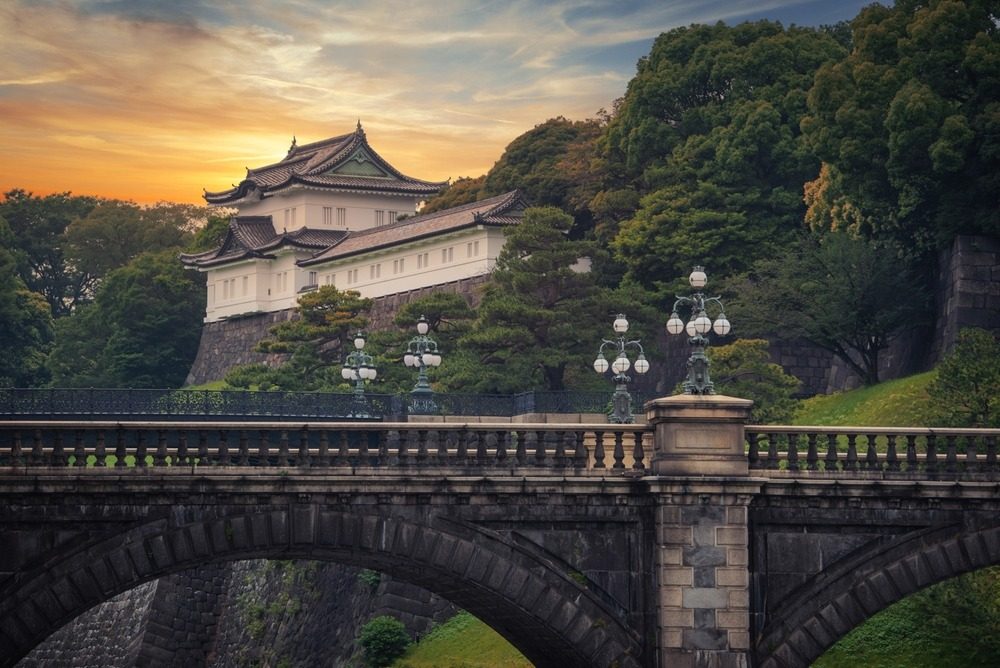
Quick answer
The Tokyo Imperial Palace East Gardens are open Tuesday through Thursday and Saturday through Sunday, 9:00 to 16:30, with last entry at 16:00. The grounds close every Monday and Friday, plus national holidays and special events tied to the Imperial calendar. Entry is free for the East Gardens and public perimeter paths, though advance reservations are required for guided tours of the inner palace grounds.
The Imperial Household Agency maintains one of Tokyo's most counterintuitive schedules: the East Gardens close twice per week, but never on consecutive days. The Monday and Friday closures stem from maintenance cycles and security protocols that date to the post-war opening of the grounds to public access in 1968. This staggered closure pattern distributes wear across the meticulously groomed lawns and stone pathways of the former Edo Castle site, while allowing the Agency's horticulture teams to rotate pruning and restorative work without shutting the gardens for extended periods. Understanding tokyo imperial palace timings means recognizing that the 16:00 last-entry cutoff is enforced without exception. Guards begin closing the three entry gates—Otemon, Hirakawamon, and Kitahanebashimon—in sequence at 16:00, and visitors inside the gardens are gently shepherded toward the exits by 16:30. The 30-minute buffer exists because the gardens span 21 hectares, and reaching the far northeastern corner near the Ninomaru Grove from the main Otemon Gate takes a deliberate 12 to 15 minutes on foot. Arriving between 9:00 and 15:30 ensures enough time to walk the perimeter moat, climb to the foundation stones of the old castle keep, and explore the Ninomaru tea pavilion without rushing. The twin weekly closures create predictable crowd surges. Weekends draw both domestic families and international tour groups, particularly in cherry blossom season and the autumn foliage window of late November. Tuesdays and Wednesdays, by contrast, see thinner foot traffic, especially in the morning hours before 11:00 when most group tours arrive. The palace schedule operates year-round with few exceptions: New Year's greeting events in early January and the Emperor's birthday public appearance in February bring temporary access changes, announced on the Kunaicho official site weeks in advance. The East Gardens occupy the former honmaru and ninomaru baileys of Edo Castle, and the pathways follow the original defensive geometry—stone ramparts, water-filled moats, and gated checkpoints that once controlled access to the shogun's inner sanctum. Walking the grounds without a time constraint means noticing the layered history: Tenshu-dai foundation stones from the 1638 castle keep, reconstructed Edo-period guardhouses, and the modernist Museum of the Imperial Collections that opened in 1993. The visiting hours allow enough daylight to photograph the contrast between centuries, but only if you clear the entry gate before the afternoon closure begins.
“The staggered Monday and Friday closures stem from maintenance cycles and security protocols that date to the post-war opening of the grounds in 1968.”
Tokyo Imperial Palace Timings and Weekly Schedule
The Tokyo Imperial Palace East Gardens operate on a consistent weekly schedule, closing on Mondays and Fridays to the public.
| Monday | Closed | |
|---|---|---|
| Tuesday | 09:00–16:30 | |
| Wednesday | 09:00–16:30 | |
| Thursday | 09:00–16:30 | |
| Friday | Closed | |
| Saturday | 09:00–16:30 | |
| Sunday | 09:00–16:30 |
Best Time to Visit Tokyo Imperial Palace Timings
The best arrival window is 09:00–15:30 to avoid peak crowds and ensure sufficient time to explore before closing. Arriving early provides the most comfortable pace for walking the grounds.
Weekday mornings
Minimal crowds—
Visiting early on weekdays allows for a quieter experience before afternoon visitor volumes increase.
Spring (March–May)
High crowdsMild temperatures (10°C–24°C)
The cherry blossom season brings significant foot traffic, requiring earlier arrival to manage crowd density.
Autumn (October–November)
Moderate crowdsCool, pleasant (12°C–22°C)
Clearer weather makes these months a popular time for visitors, so plan for mid-morning entry to avoid peak periods.
Summer (June–August)
Moderate crowdsHot and humid (25°C–32°C)
High temperatures and humidity can make mid-day walking demanding; early morning visits are recommended for better comfort.
Verdict: The best time to visit is Tuesday to Thursday between 09:00 and 10:00 during the months of April or October.
Entry Fees for Tokyo Imperial Palace Timings
Access to the Tokyo Imperial Palace East Gardens and public areas does not require an admission ticket. There are no paid entry tiers for these sections.
A typical adult pays 0 JPY for entry, as there are no admission fees for these areas.
Getting to the Tokyo Imperial Palace
The Tokyo Imperial Palace is located at 1-1 Chiyoda, Chiyoda-ku, Tokyo 100-8111, Japan. The most efficient way to reach the grounds is via Tokyo's extensive rail and metro network.
Tokyo Metro Chiyoda Line to Nijubashimae Station
JR Line to Tokyo Station
Tokyo Metro Hanzomon Line to Otemachi Station
Notable Sights During Tokyo Imperial Palace Timings
The Tokyo Imperial Palace grounds contain several historically significant sites open to the public. These landmarks offer a glimpse into the architecture and landscape design maintained by the Imperial Household Agency.
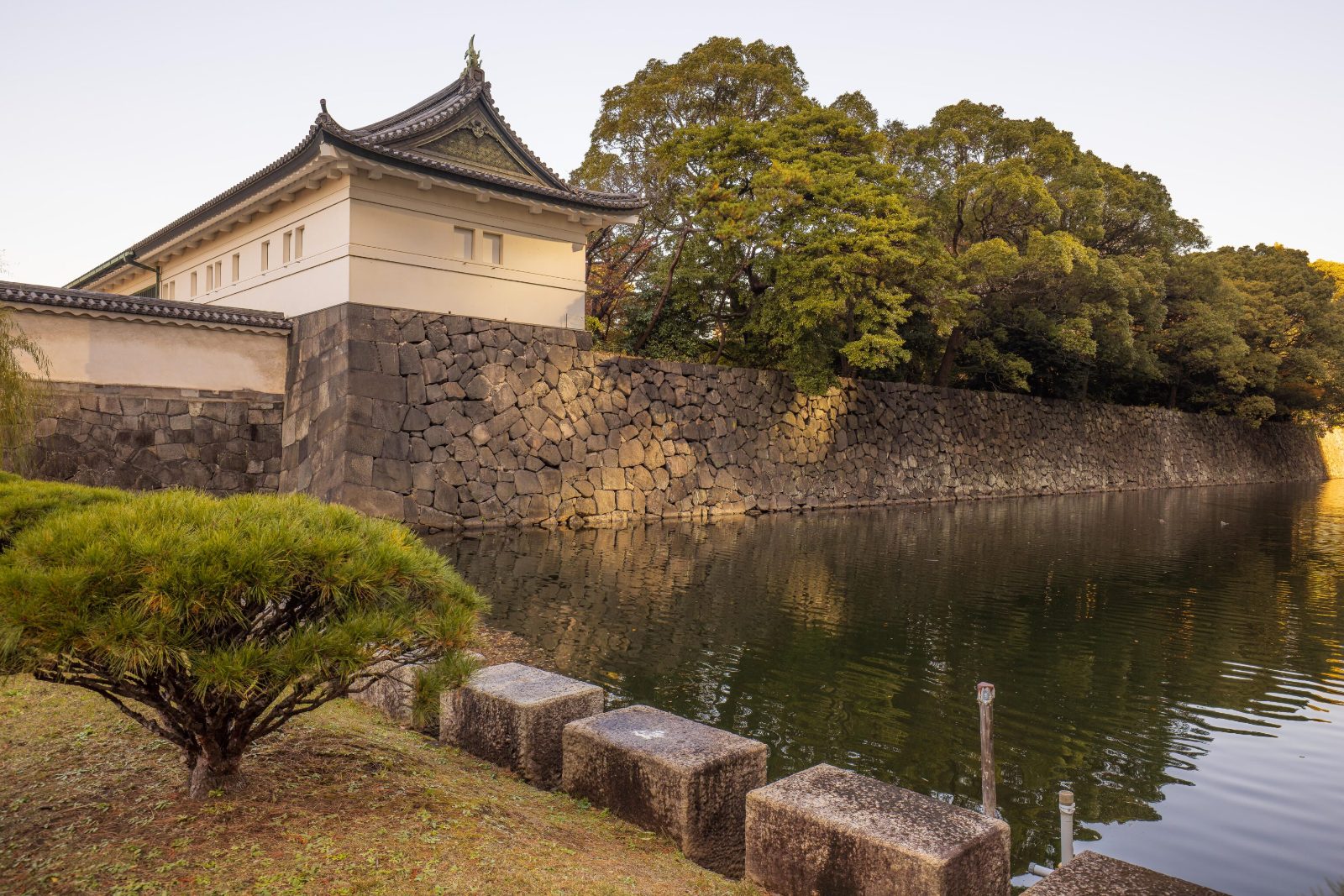
East Gardens
The former site of Edo Castle's innermost circles, featuring expansive lawns and preserved moats. It serves as the primary public space for walking and viewing historic stone walls.
Visit in the morning to capture clear photos of the stone masonry.
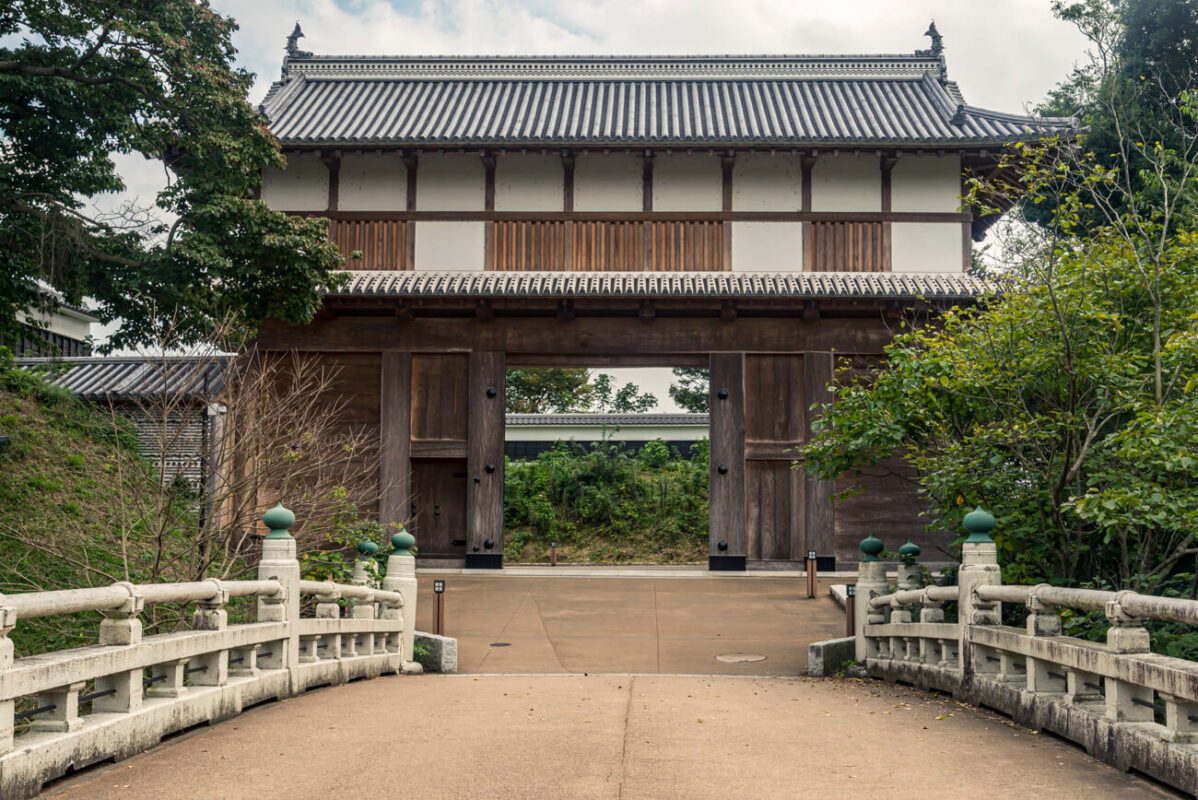
Ote-mon Gate
The main gate to the East Gardens, once serving as the primary entrance to Edo Castle. This structure demonstrates traditional Japanese defensive gate architecture.
Inspect the thick wooden beams and iron reinforcements at the gate.
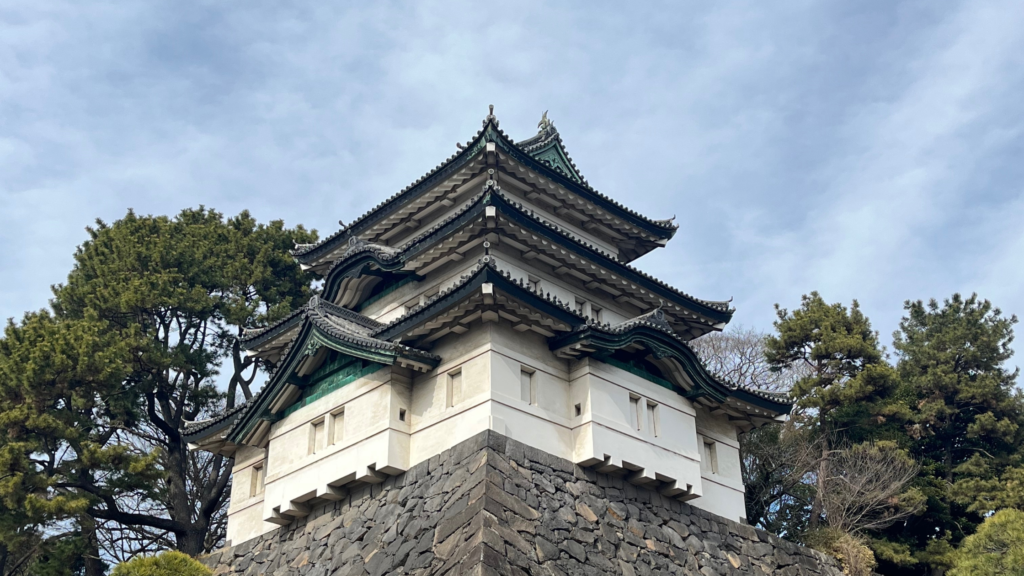
Fujimi-yagura Keep
A three-story watchtower that survived the fire of 1657 and remains one of the oldest structures on the grounds. It stands prominently overlooking the surrounding moats.
View this tower from the East Garden path for the best perspective.
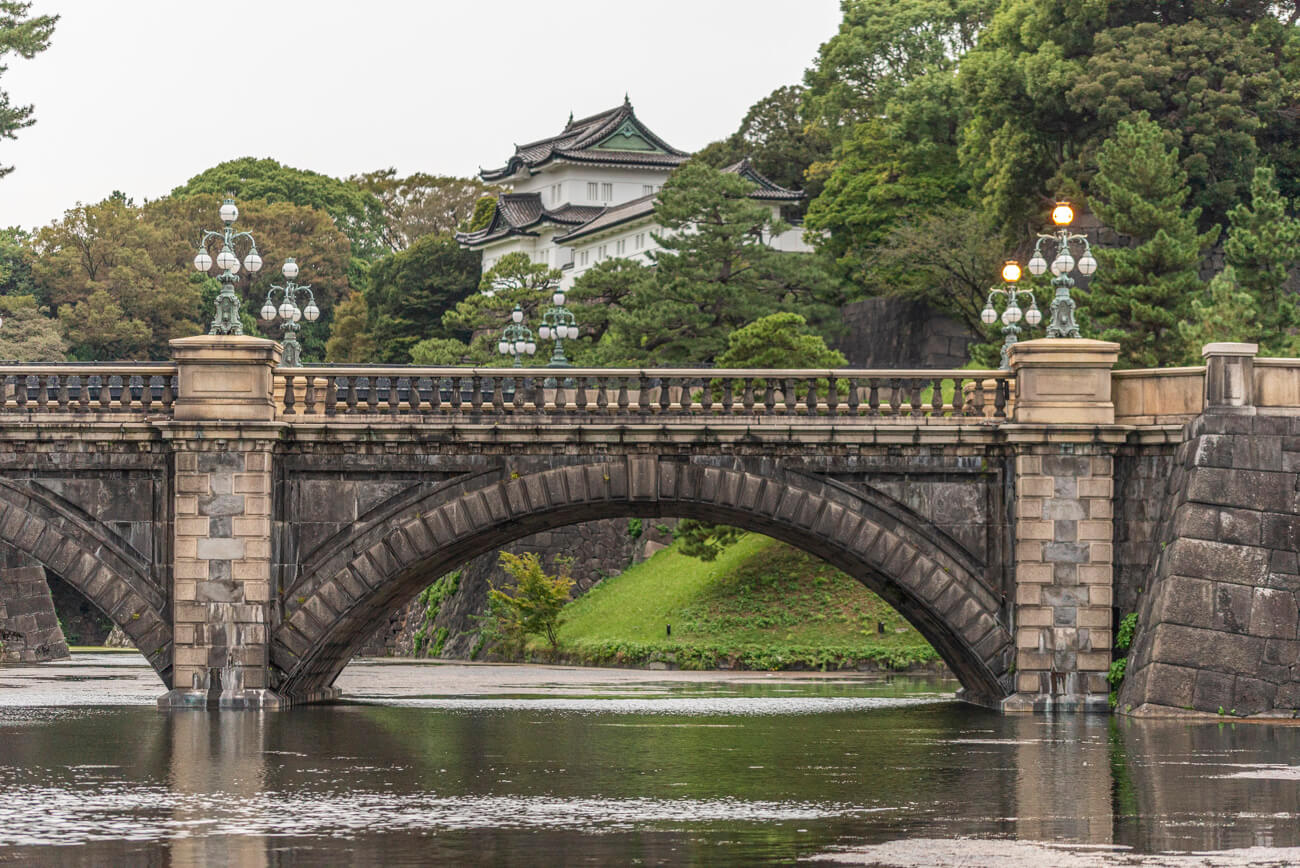
Nijubashi Bridge
Known as the Double Bridge, this iconic structure provides a view toward the inner palace grounds. It is frequently recognized as the most famous photo spot associated with the palace.
Stand near the Kokyo Gaien National Garden for the classic view.
Check availability
Frequently asked questions about tokyo imperial palace timings
Everything you need to know about tokyo imperial palace timings