2 hr
Imperial Palace East Gardens Walking Tour
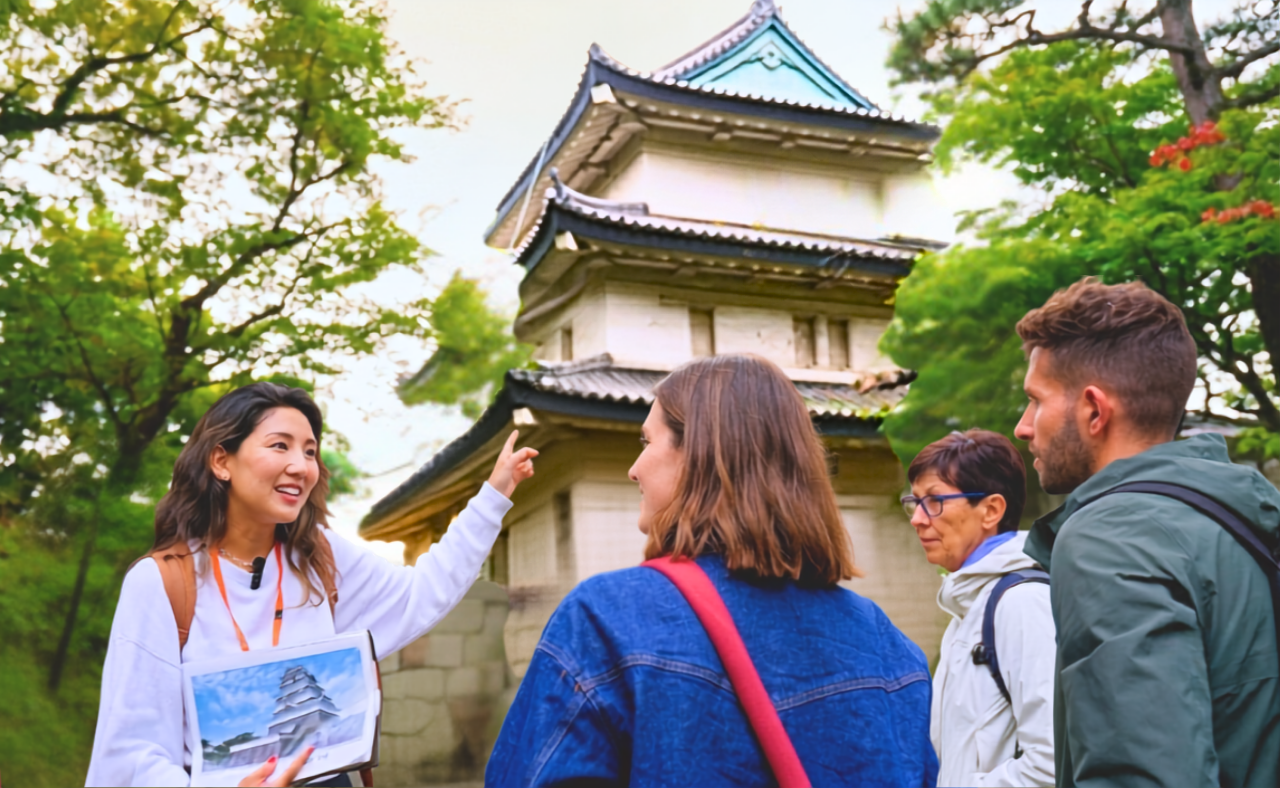
- Expert local guide
- Small group
- Skip-the-line access
- Free cancellation
Tokyo Imperial Palace — East Gardens & Guided Tours
Walk the shogun's courtyards, trace the moat where Edo Castle stood
Compare fares, pick the fit — all bookings are mobile-voucher and eligible for free cancellation where shown.
2 hr
2 hr
2 hr
| Experience | Duration | Rating | Skip-the-line | Guide | Small group | Free cancel. | Price | |
|---|---|---|---|---|---|---|---|---|
|
Guided Experience
Most popular
Imperial Palace East Gardens Walking Tour
|
2 hr | ★ 4.8 | ✓ | ✓ | ✓ | ✓ | €8 | Book → |
|
Guided Experience
Imperial Palace & Shogun Walking Tour
|
2 hr | ★ 4.8 | ✓ | ✓ | ✓ | ✓ | €8 | Book → |
|
Standard Entry
Imperial Palace & East Gardens History Walk
|
2 hr | ★ 4.9 | — | ✓ | ✓ | ✓ | €26 | Book → |
Hand-picked experiences loved by thousands of travelers
2 hours
Free Cancellation
Explore the East Gardens where emperors reside, uncovering samurai legends and Edo Castle remnants.
2 hours
Free Cancellation
Uncover Tokyo's samurai origins through strategic storytelling at the historic Imperial Palace grounds
3 hours
Free Cancellation
Travel back through centuries as you walk the grounds where shoguns ruled and emperors now reside
4–4.5 hours
Free Cancellation
Half-day English-guided bus tour visiting Tokyo's iconic landmarks with Main Deck admission included
2 hours
Free Cancellation
Uncover the strategic heart of shogun power through the East Gardens with a guide who reveals the hidden layers.
2.5 hours
Free Cancellation
Walk through centuries of Japanese history from castle gardens to modernist landmarks in central Tokyo
2 hours
Free Cancellation
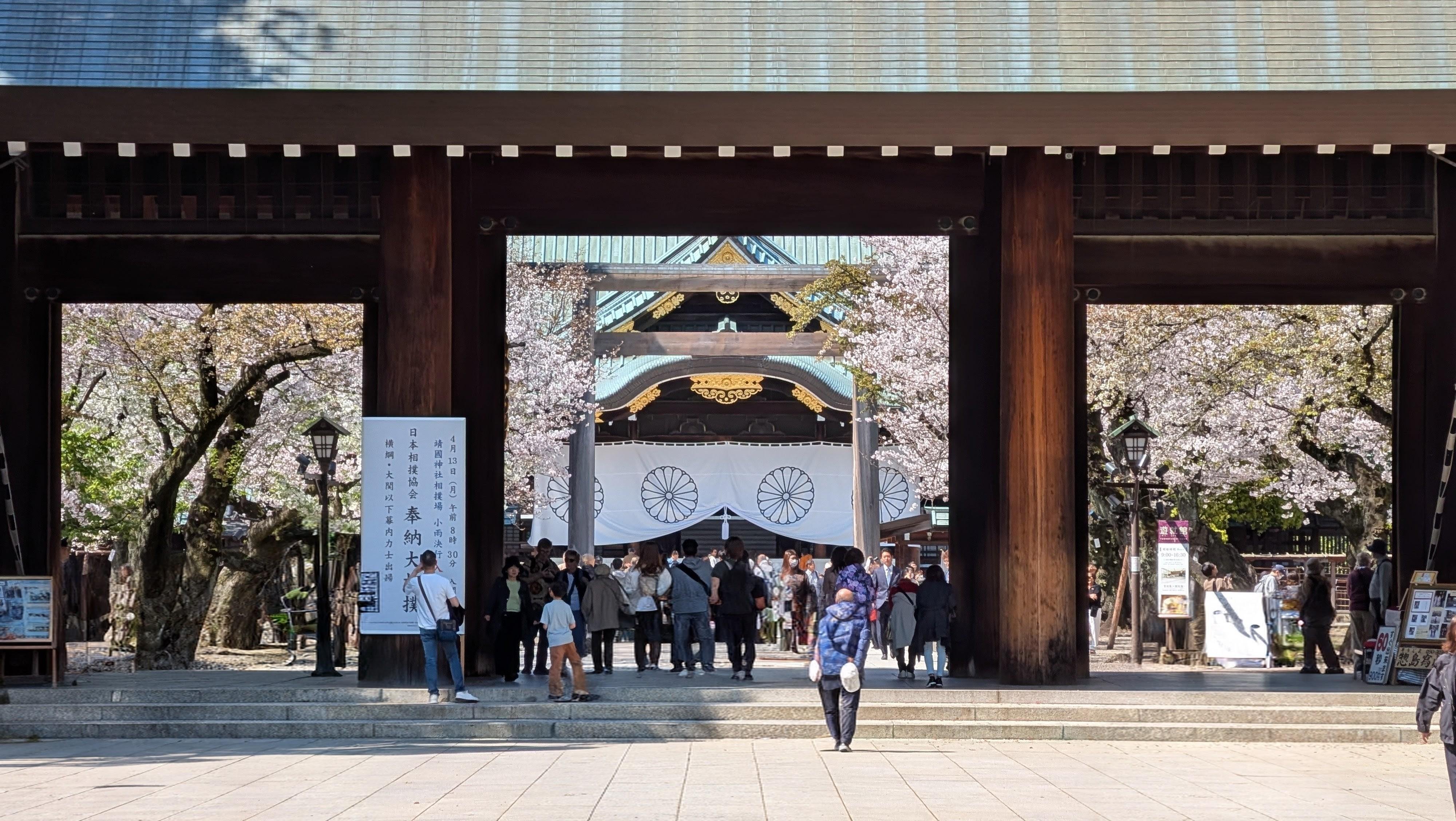
Explore Japan's wartime past through its most significant monuments and controversial memorials
2 - 8 hours
Free Cancellation
Explore Japan's capital your way with a native expert—temples, hidden spots, or iconic landmarks.
Complete mandatory screening at the designated gate.
Explore the historic ruins and Edo-era stone walls.
Walk through the outer perimeter and view the main gates.
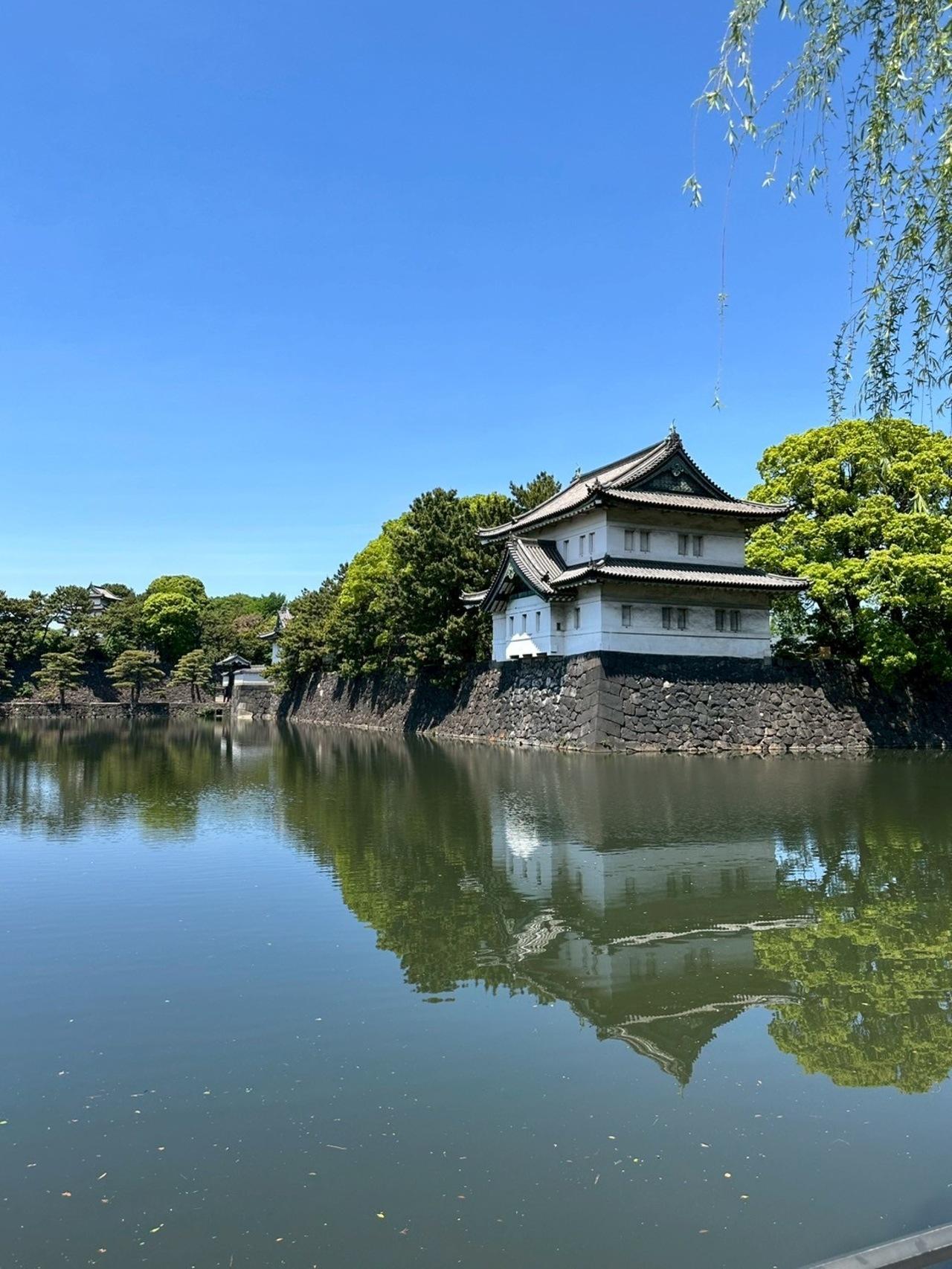
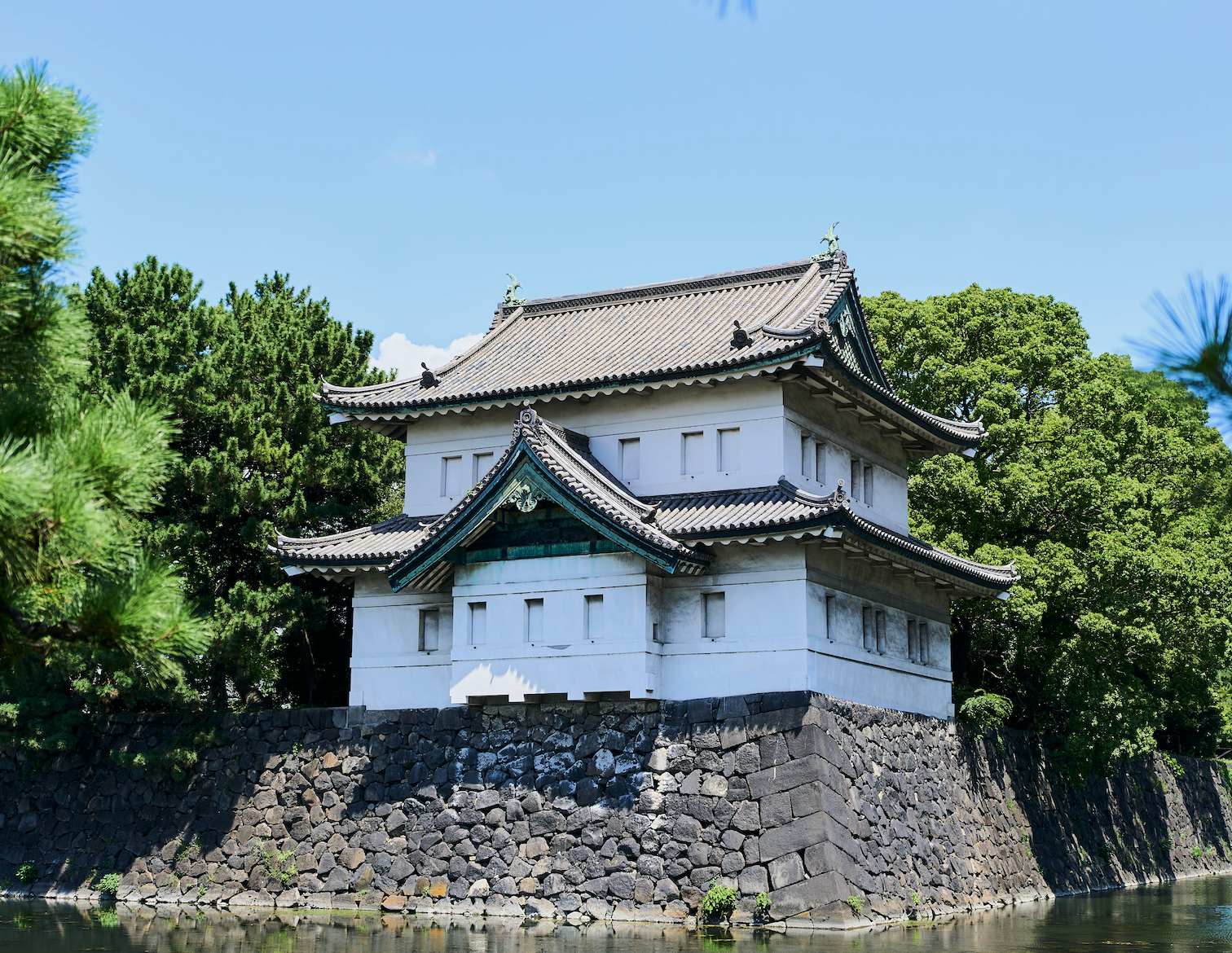
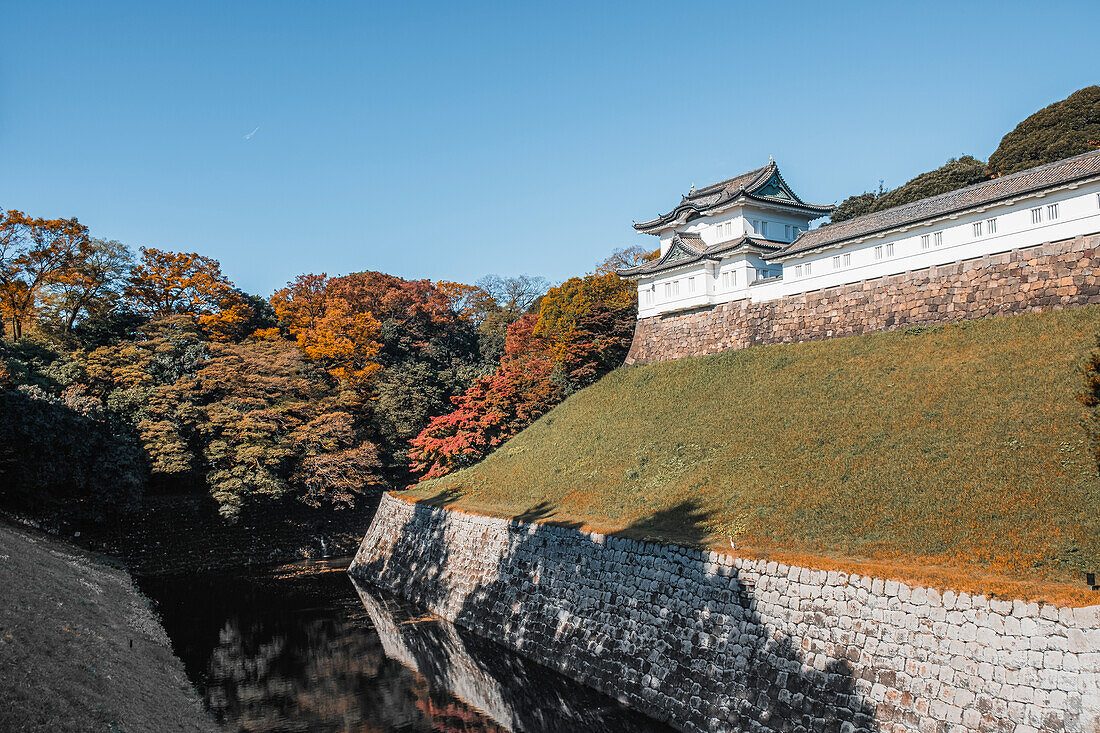
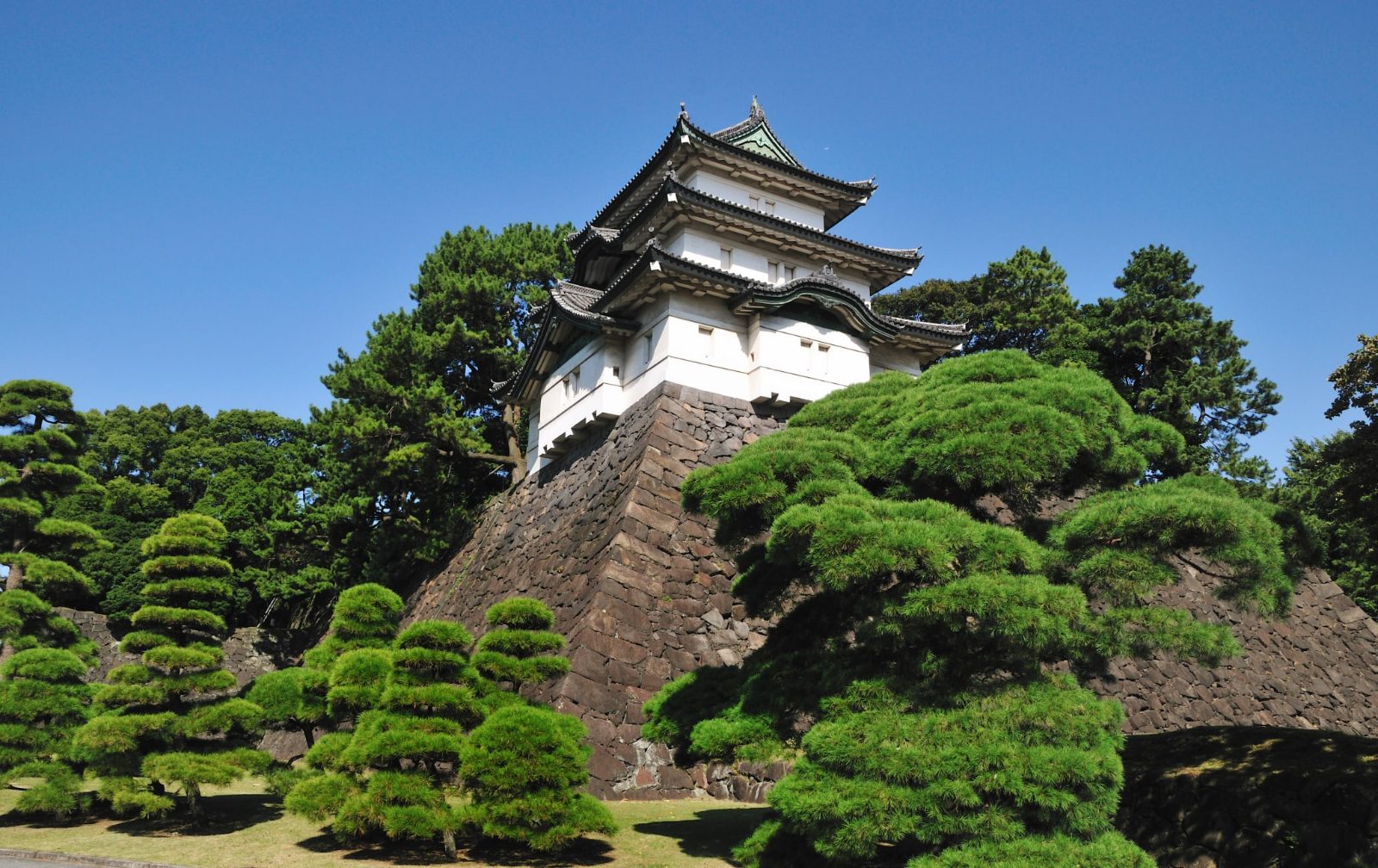
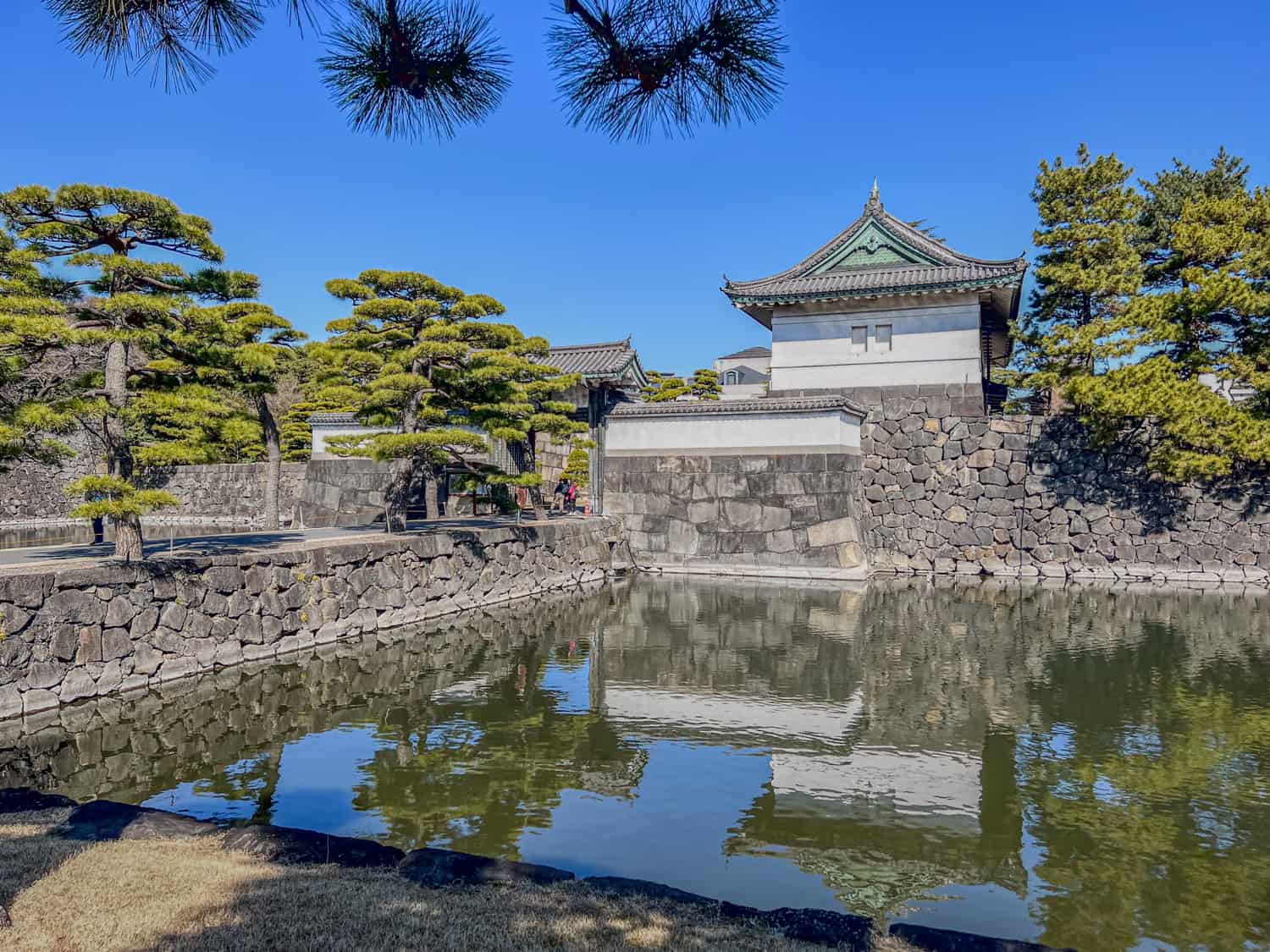
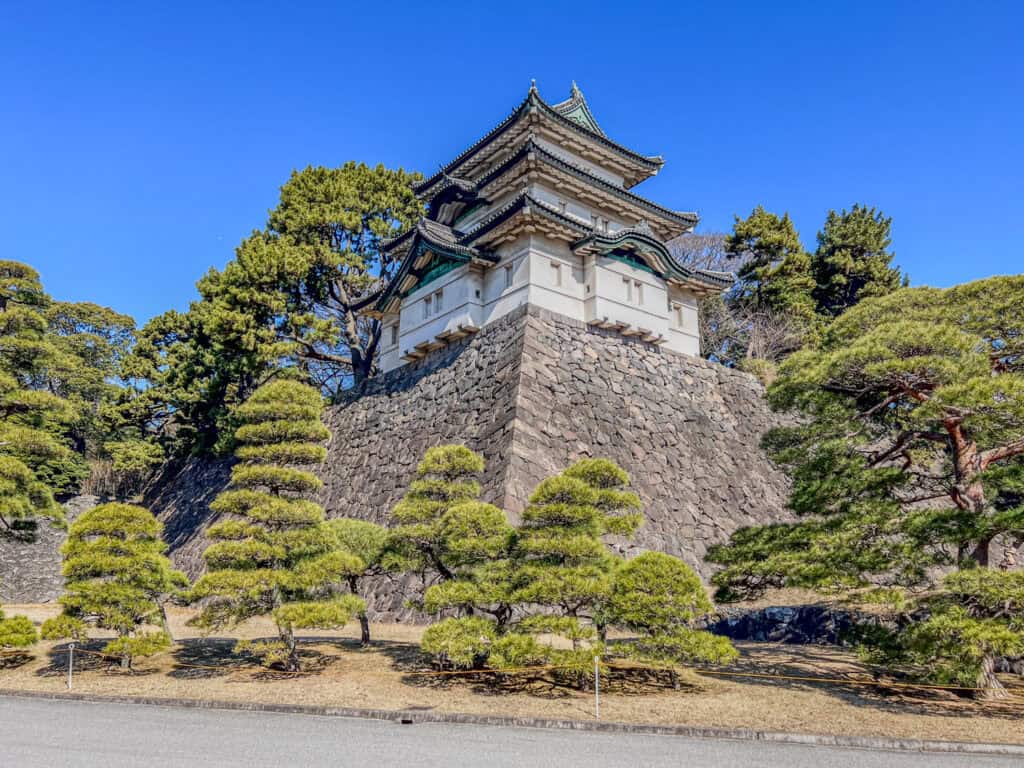
This historic structure is one of the few remaining watchtowers from the Edo period and dates back to 1659.
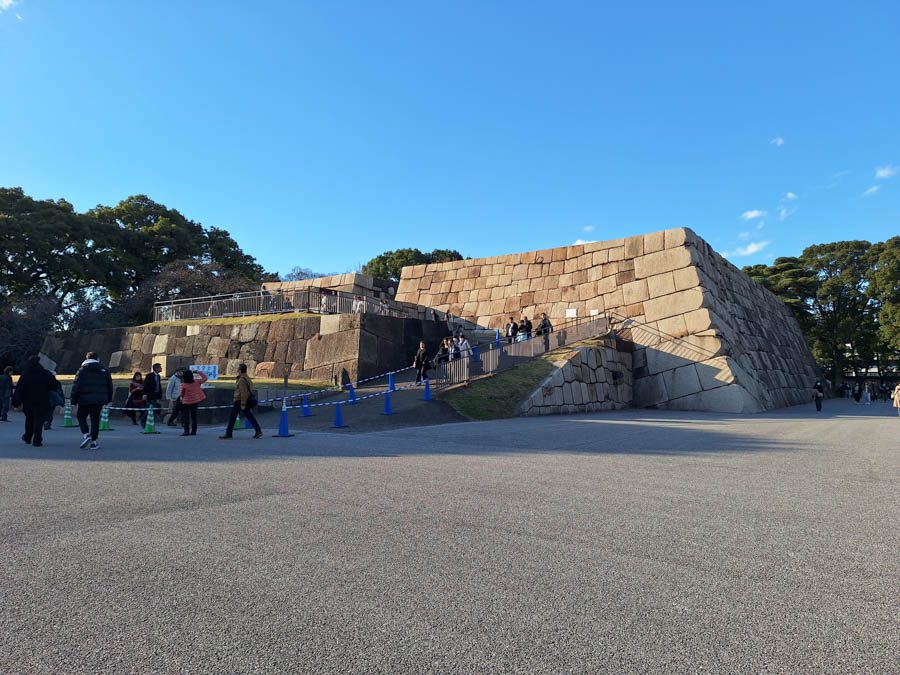
The massive stone foundations offer a glimpse into the scale of the former fortress that occupied the site.
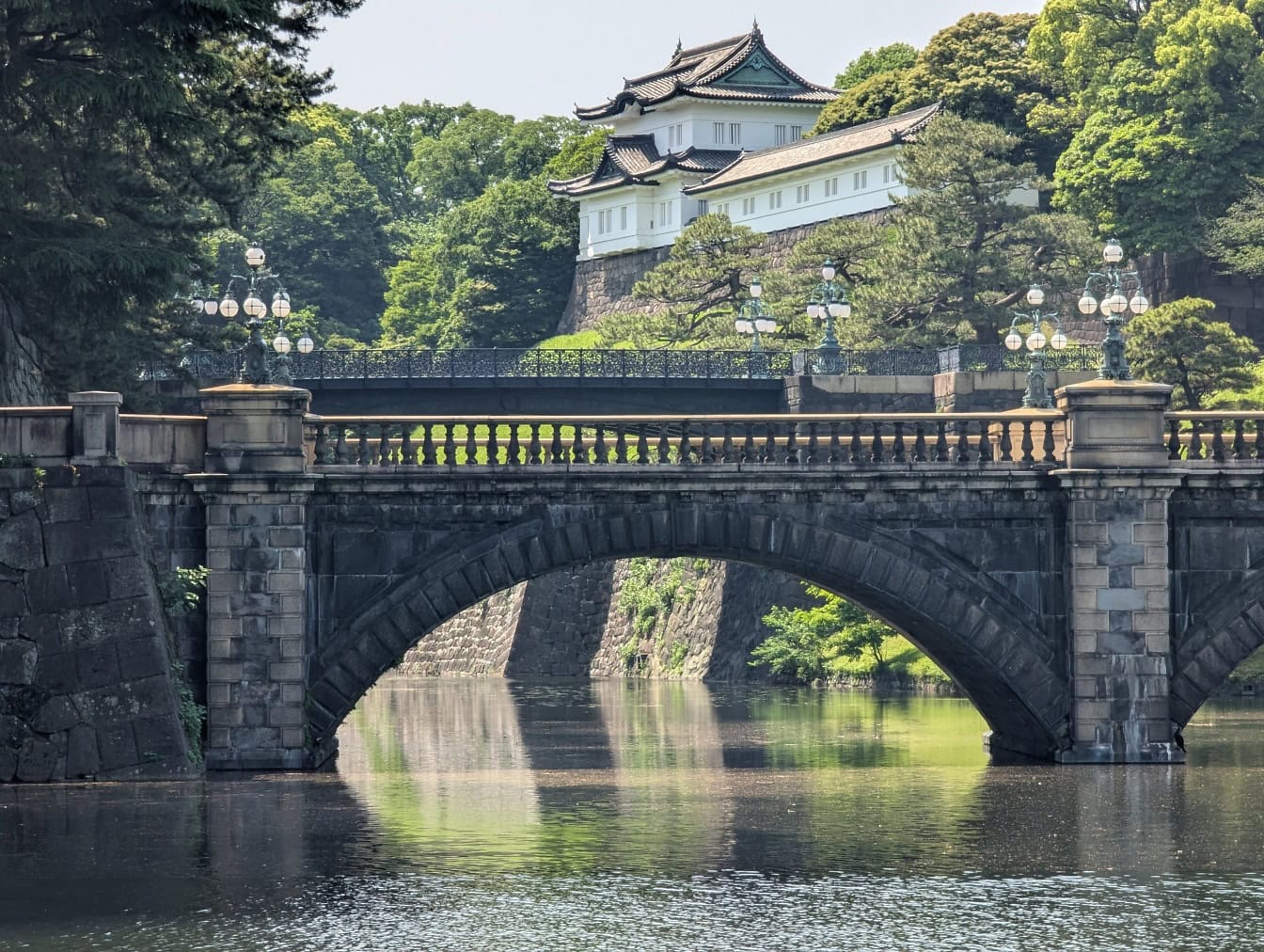
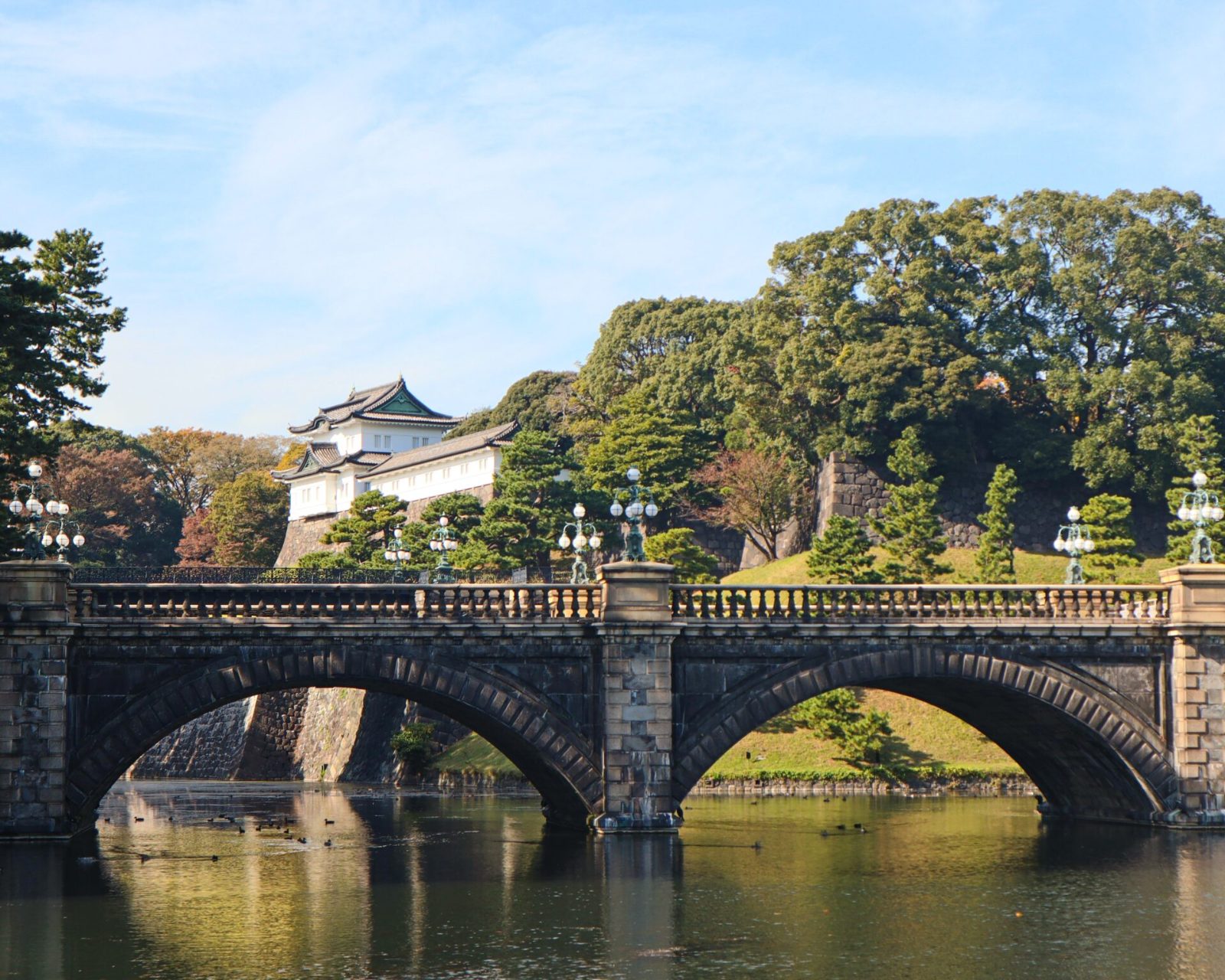
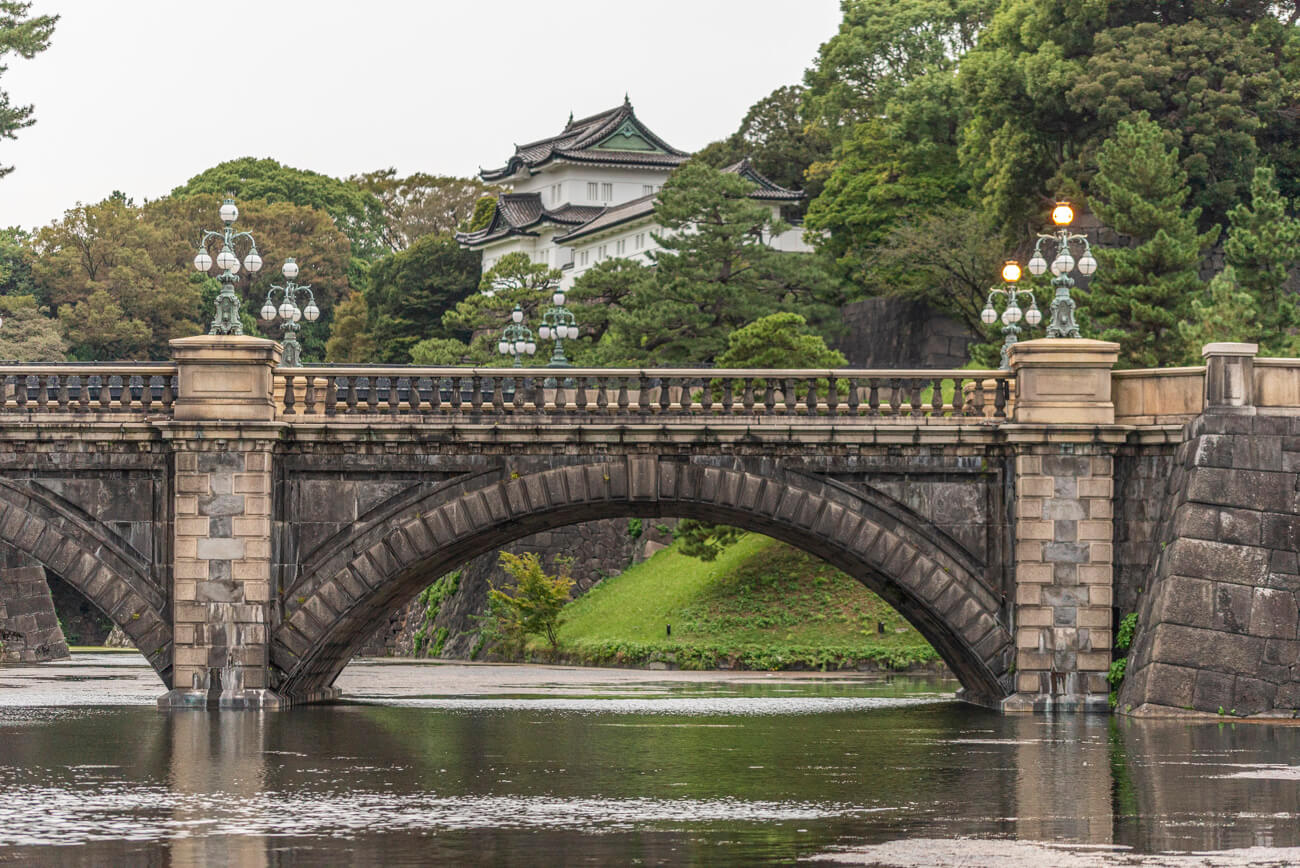
This iconic bridge serves as a famous entry point for official ceremonies and imperial events.
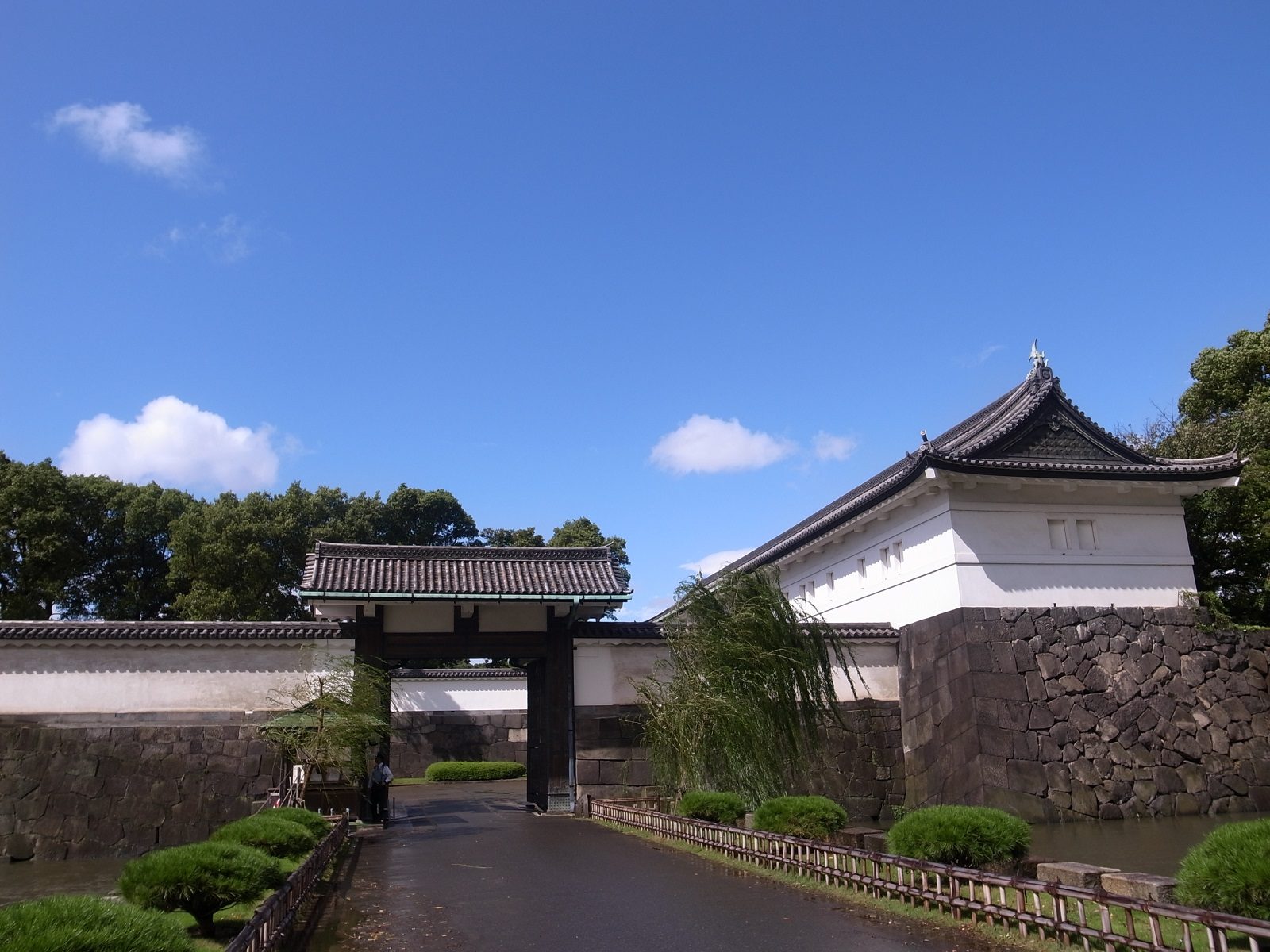
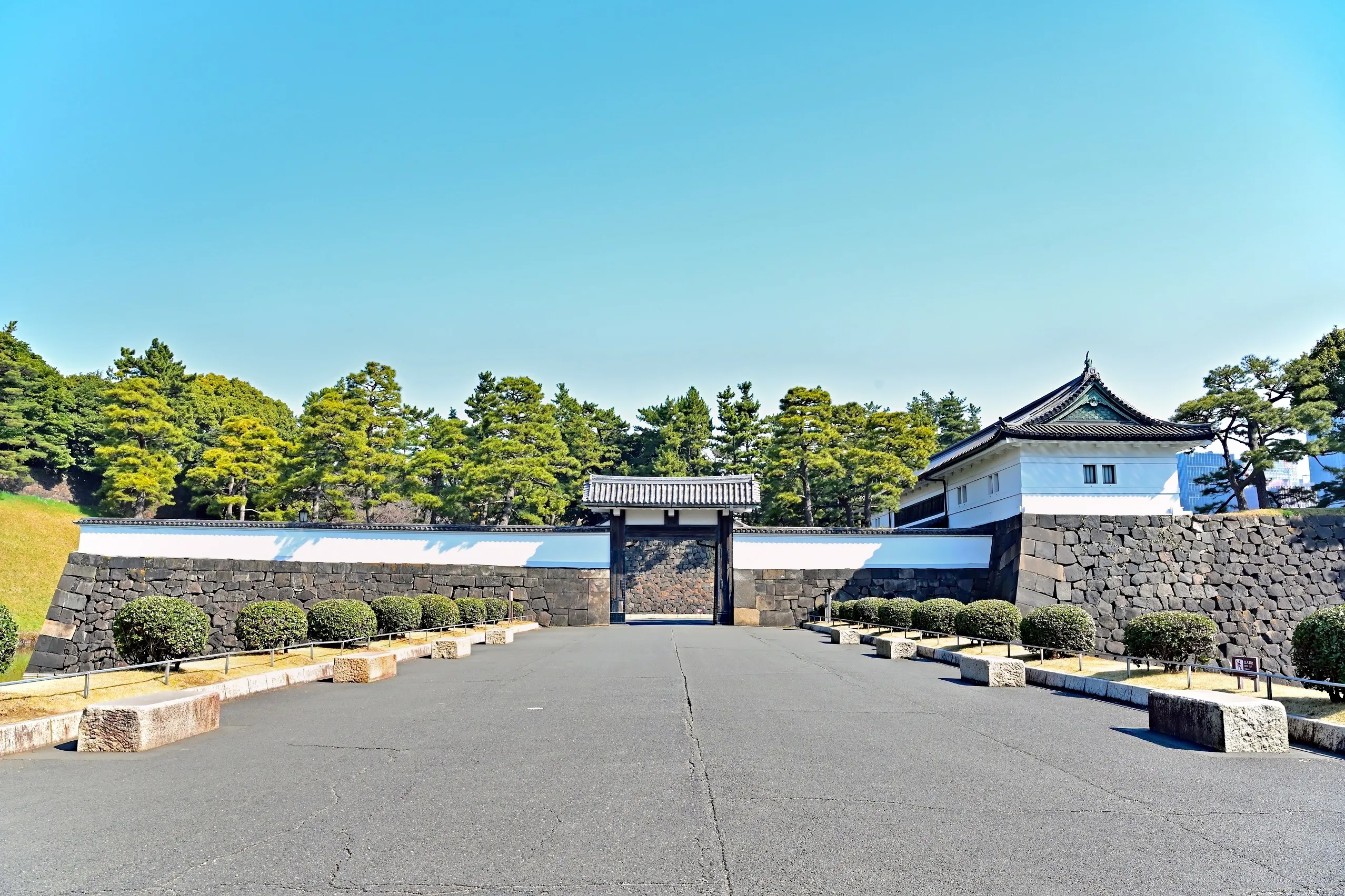
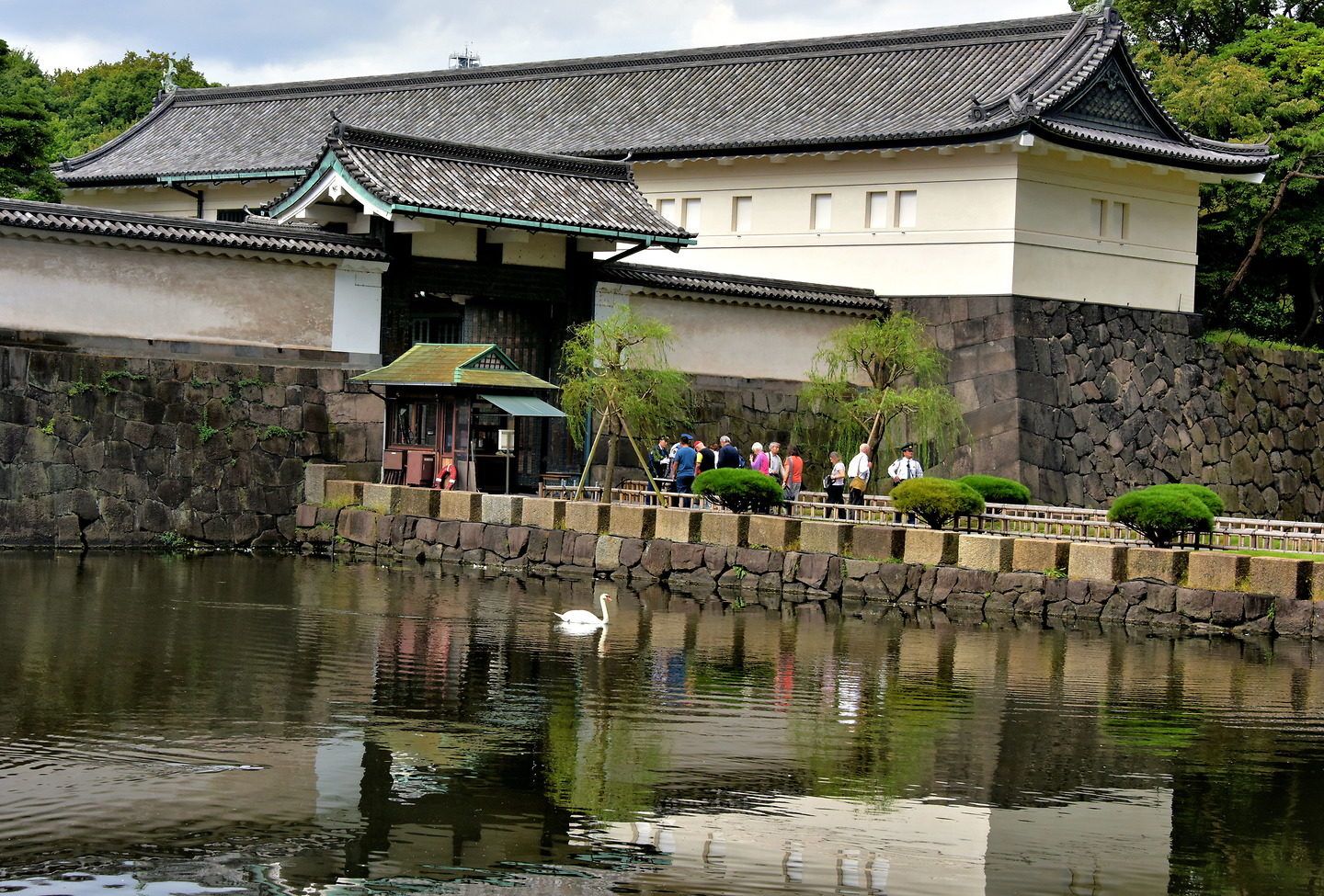
Historically, this was the primary gate for the castle, guarded by elite samurai during the Edo era.
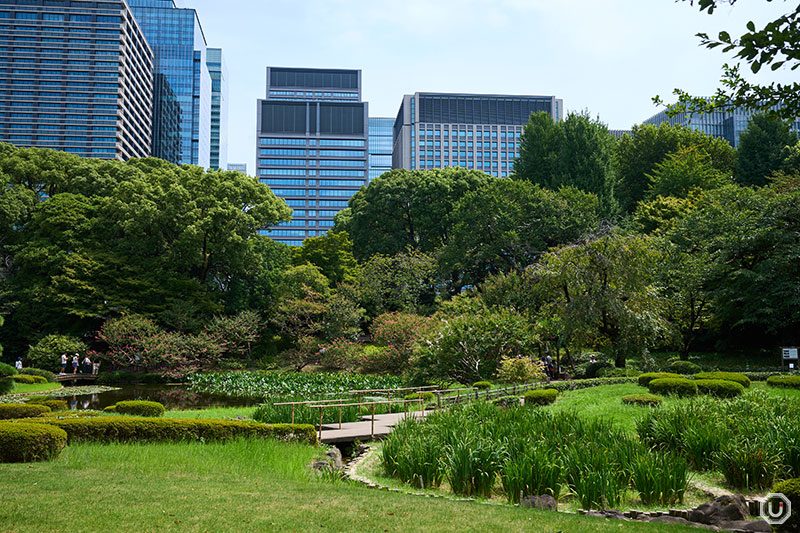
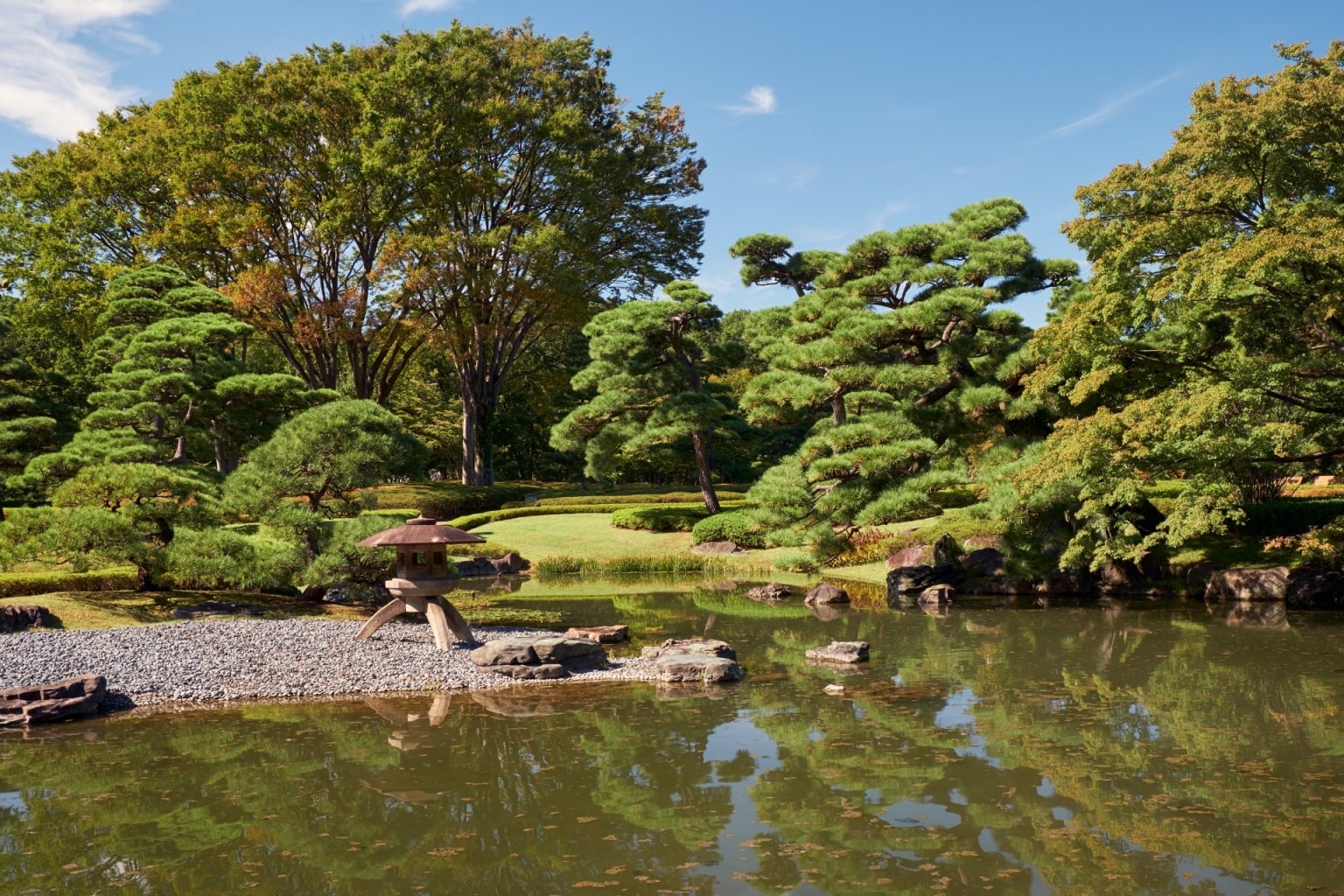
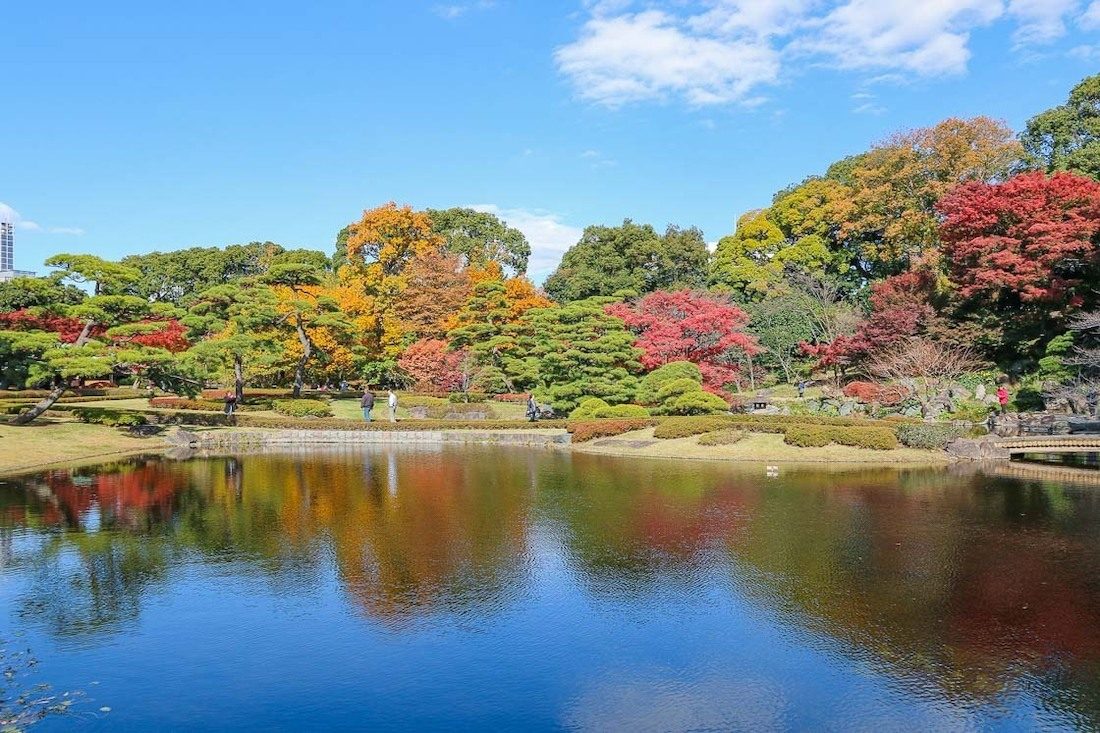
This reconstructed garden features traditional landscaping and seasonal flora reflective of the imperial aesthetic.
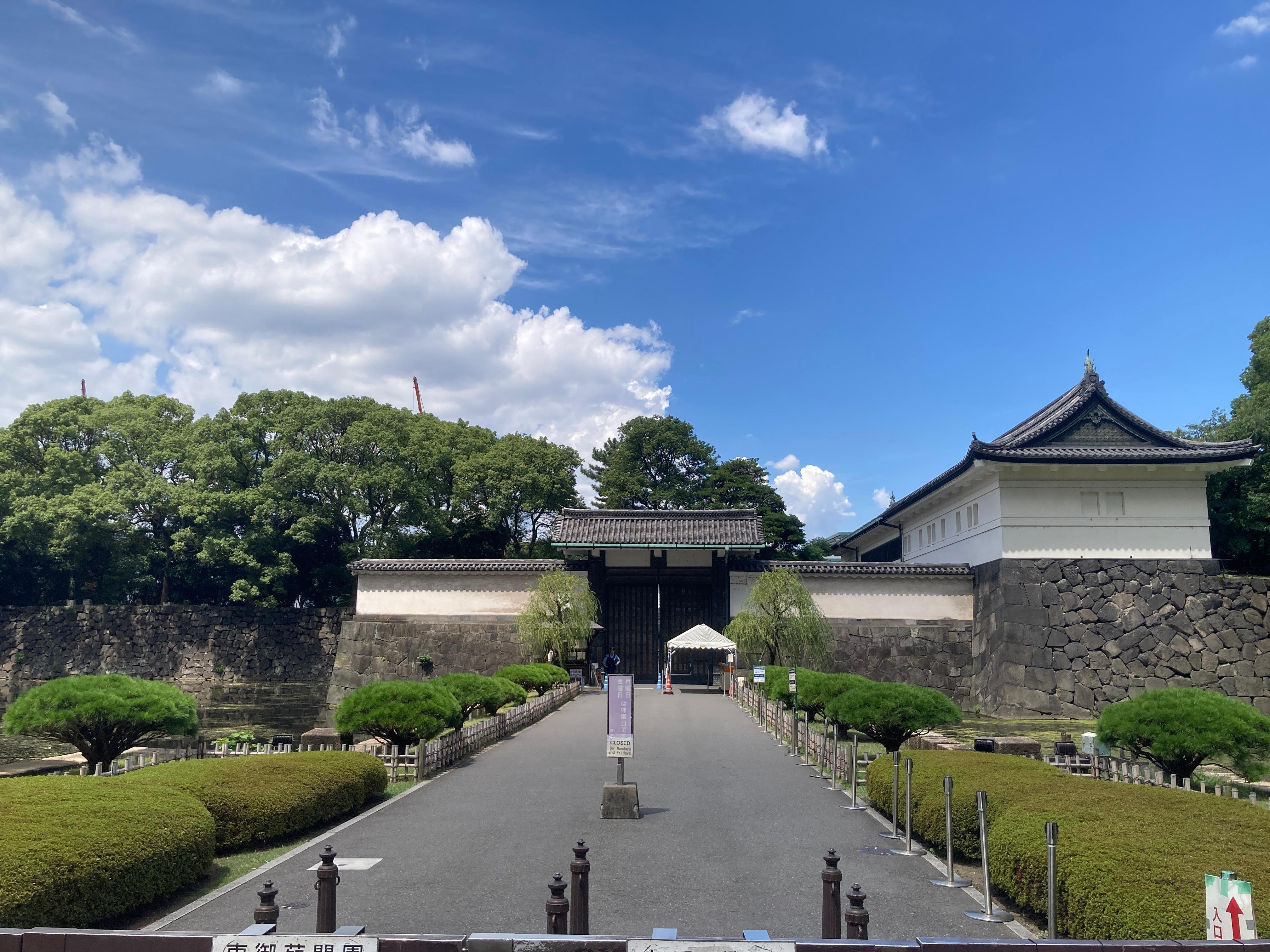
You arrive at Ote-mon Gate by 9:15 a.m., joining a short queue beneath the reconstructed two-story gatehouse. Security staff check your bag, then wave you through into the East Gardens.
The path turns left past the Sannomaru Shozokan museum, a low concrete building that rotates imperial art collections every eight weeks. You walk the gravel lane toward the massive stone ramparts of the Honmaru enceinte, where the donjon foundation commands the highest ground. Climbing the wooden stairs to the top, you count forty-one steps and emerge onto a flat lawn with a single stone marker. The view stretches across the inner palace rooftops toward the Marunouchi skyline.
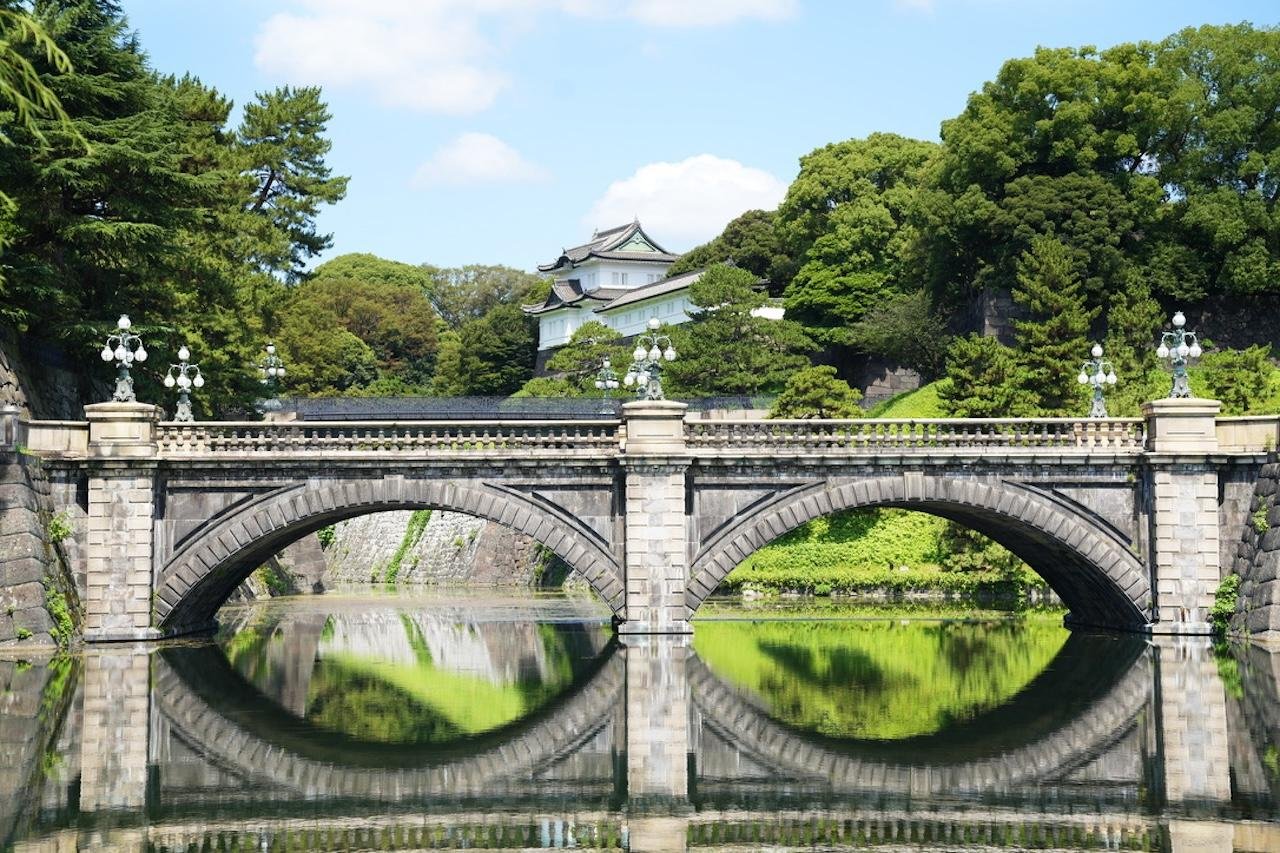
If you reserved a palace grounds tour, you return to Kikyomon Gate by 1:15 p.m. for the afternoon departure. A guide in a dark suit assembles the group of thirty, distributes audio receivers, and leads you through a second security check into the restricted zone. The route follows the inner moat, pausing at the Fujimi-yagura watchtower—a three-story white structure that survived the 1657 fire—and the Seimon Ishibashi bridge, a double-arched span where the New Year crowds gather. You never enter a building, but you walk within fifty metres of the Kyuden main hall, close enough to see the cypress-bark roof and the bronze ornaments at each gable end. The tour ends at Sakashita-mon Gate seventy-five minutes later, depositing you back onto the public sidewalk near Hibiya Park.
All the details about your upcoming adventure in one place
Secure tokyo imperial palace tickets to explore the historic residence of Japan's Imperial Family, surrounded by ancient stone walls and tranquil moats in central Tokyo. Tokyo Imperial Palace tours guide you through the East Gardens, former Edo Castle grounds, and seasonal flora across manicured landscapes. Advance registration for tokyo imperial palace tickets tours ensures entry to the inner palace grounds on designated days, with multilingual guides explaining centuries of Tokugawa and Meiji-era heritage.
The East Gardens occupy the footprint of Edo Castle's innermost enceinte, where Tokugawa Ieyasu ruled from 1603 until the shogunate collapsed in 1868.
When the Meiji emperor moved the capital from Kyoto to Tokyo, the castle became the Imperial Palace, and its outer fortifications were dismantled to make way for government ministries and the wide avenues that now define Chiyoda ward. Only the moats, stone ramparts, and a handful of gates survived. The East Gardens opened to the public in 1968, offering free admission to anyone willing to pass through airport-style security at the Ote-mon or Hirakawa-mon gates. Tokyo Imperial Palace tickets for the gardens themselves cost nothing; reservations are required only for the twice-daily guided tours of the inner palace grounds, which the Imperial Household Agency administers at no charge.
The palace remains the official residence of the Emperor of Japan, and most of its 115 hectares are closed year-round. The public glimpses it twice a year—on the Emperor's birthday and at New Year—when the inner courtyard opens for ceremonial greetings. The rest of the time, the East Gardens serve as Tokyo's closest approximation of a historical park, with pruned black pines, gravel paths, and the foundations of the old donjon, which burned in 1657 and was never rebuilt. The stone base measures forty-five metres on a side and rises eleven metres above the lawn. Visitors climb wooden stairs to the top, where a single explanatory placard marks the spot where the tallest castle tower in Japan once stood.
Japanese imperial palace tickets—whether for the gardens or the guided palace grounds tour—demand advance planning. The East Gardens close on Mondays and Fridays, and the guided tours fill weeks ahead during cherry-blossom season and the autumn foliage window. Tokyo imperial palace tickets online free reservations open one month in advance through the Household Agency's website, though walk-ins are accepted for the gardens if capacity allows. The tour itself lasts seventy-five minutes and covers two kilometres of gravel paths, stopping at the Fujimi-yagura watchtower, the Fushimi turret, and the Seimon Ishibashi stone bridge. Guides speak Japanese, but English-language audio devices are available at the assembly point near Kikyomon Gate. The route never enters the palace buildings, but it traces the inner moat and offers views of the Kyuden main hall, a steel-and-concrete structure completed in 1968 to replace the Meiji-era palace destroyed in the 1945 air raids.

The stone base of the lost donjon rises eleven metres above the lawn, marking the site of the tallest castle tower in Japan.
Visitors should maintain respectful attire suitable for a public venue. While no strict dress code is enforced, modest clothing is encouraged.
All visitors must pass through security screenings before accessing the grounds. Large bags may be subject to inspection by security personnel.
Photography is permitted in most outdoor areas, though restricted inside certain buildings. Please respect signs indicating areas where camera use is prohibited.
The area provides open space suitable for walking with children. Please ensure minors are supervised at all times due to proximity to official buildings.
The East Gardens feature gravel paths and some uneven terrain, which may be challenging for certain mobility aids. Main routes are generally accessible for wheelchair users.
Eating and drinking are restricted to designated picnic areas. Visitors are advised to finish beverages before entering restricted zones.
Opening Hours
09:00–16:00
Address
1-1 Chiyoda, Chiyoda-ku, Tokyo, Japan
Entry Status
Free entry for the East Gardens and public grounds tours
Best arrival window
09:00–15:30
Contact
03-3213-2050
Official site
https://www.kunaicho.go.jp/eindex.html
Public transport · 15 min · Approx. 200 JPY
Take the Marunouchi Line to Tokyo Station, followed by a 15-minute walk.
Public transport · 10 min · Approx. 200 JPY
Use Otemachi Station via Chiyoda or Hanzomon Lines for proximity to the Ote-mon Gate.
Public grounds tours are free and do not require reservations for standard access. No cancellations or refunds apply as there is a 0 JPY entrance fee.
Recommended time
2-3 hours
Most visitors spend about two to three hours exploring the East Gardens and surrounding public grounds. While you do not need to purchase tokyo imperial palace tickets for these areas, arriving within the 09:00–15:30 window helps you bypass the heaviest pedestrian traffic at the security checkpoints. Those planning to join organized tokyo imperial palace tickets tours should allow extra time for group assembly near the designated gates. Managing your schedule around these visitor flows ensures a smoother experience while viewing the stone walls and moats that define this historic site.
Crowd levels through the day
Weather · crowds · average price — dots go green to amber to red as each metric rises.
March to May features cherry blossoms, though crowds are at their peak for these Tokyo landmarks.
June to August is warm with high humidity; early morning arrival is essential to avoid heat.
September to November offers comfortable temperatures, making it a pleasant time for walking tours.
December to February is crisp and quiet, providing a peaceful experience for historical sightseeing.
Arrive as close to the 09:00 opening as possible to clear security quickly.
The site that now requires tokyo imperial palace tickets has stood at the center of Japanese power for four centuries. In 1457, Ōta Dōkan constructed the original Edo Castle on this elevated plateau, chosen for its commanding view of the Sumida River delta and natural defensive moats. When Tokugawa Ieyasu claimed the fortress in 1590, he transformed it into the administrative heart of the shogunate, expanding the inner citadel and excavating the massive stone-lined moats that still define the palace perimeter today. By the mid-17th century, the compound sprawled across 230 acres, ringed by concentric water defenses and crowned by a five-story donjon that dominated the Edo skyline until fire consumed it in 1657. The Meiji Restoration of 1868 ended 260 years of Tokugawa rule and relocated the imperial household from Kyoto to the former shogunal seat. Emperor Meiji took formal residence in 1869, renaming the complex the Imperial Palace and commissioning Western-style state buildings to symbolize Japan's modernization. Allied incendiary raids in May 1945 obliterated most Meiji-era structures, sparing only the Fujimi-yagura turret and fragments of the Edo stonework. Reconstruction began in 1959 under architect Junzō Yoshimura, who blended reinforced concrete with traditional cypress and tile to create the current palace, completed in 1968. The East Gardens, opened to the public in 1968 on the site of the former Honmaru and Ninomaru baileys, preserve the original Edo ramparts and the foundation stones of the lost donjon. Today, visitors securing tokyo imperial palace tickets tour encounter layers of this stratified past: Tokugawa-era granite walls, Meiji lanterns along the gravel paths, and the austere post-war palace concealed behind the Nijubashi bridges. The Imperial Household Agency restricts access to the inner grounds except during twice-yearly public openings and advance-reservation tours, preserving the compound as both living residence and archaeological palimpsest. The moats, now home to cormorants and koi, remain the finest surviving example of Edo hydraulic engineering.
Ōta Dōkan builds Edo Castle on the Chiyoda plateau, establishing the site's military significance.
Tokugawa Ieyasu seizes the fortress and begins expansion into the shogunate's administrative headquarters.
The Great Meireki Fire destroys the five-story donjon, which is never rebuilt.
The Meiji Restoration transfers imperial power from Kyoto; the palace becomes the emperor's official residence in 1869.
American firebombing raids level most Meiji-era palace buildings, sparing only the Fujimi turret.
Architect Junzō Yoshimura designs and completes the modern palace, blending concrete with traditional materials.
The East Gardens open to the public, displaying Edo fortifications and the site of the vanished donjon.
Position yourself on the stone plaza across from the double-arched bridge to capture the reflection in the moat. This iconic angle highlights the contrast between the stone masonry and the surrounding pine trees.
Stand at the intersection just outside the gate to frame the traditional Edo-style wooden structure against the modern skyline. This vantage point allows for a clear view of the gate's fortified gatehouse.
Walk through the winding paths of the garden to photograph the carefully manicured Japanese landscape elements. It is here that many visitors search for tokyo imperial palace tickets tours to gain deeper context during their session.
Frame the elegant gatehouse from the public walkway bordering the outer moat. Use the water's edge to provide a foreground element for your composition when using tokyo imperial palace tickets tickets for entry access.
Capture the wide expanse of the gravel grounds with the lush greenery of the inner palace in the distance. This broad perspective is perfect for documenting your visit while considering your tokyo imperial palace tickets tour options.
Visitors seeking dining options near tokyo imperial palace tickets will find that on-site facilities are limited, making the nearby districts of Marunouchi and Otemachi the most convenient hubs. These areas offer a variety of establishments perfect for refueling after your Imperial Palace tour.
This multi-story complex features diverse restaurants ranging from ramen to high-end kaiseki. It is an excellent choice for groups as it provides many options under one roof for those holding tokyo imperial palace tickets tours.
Real experiences from real travelers
Reserved tokyo imperial palace tickets online and joined the early morning tour of the inner grounds. The scale of the Edo-period stone fortifications is remarkable up close. Our guide explained how the shogunate layout differs from the current imperial residence design. Highly recommend the East Gardens afterward for a quieter experience.
Securing palace tour access requires booking ahead but the experience rewards that effort. Walking the same gravel paths used during the Tokugawa era while viewing Fujimi Keep gave real historical context. The Sannomaru museum held surprising treasures including imperial calligraphy. Bring water for summer visits.
The combination of massive defensive walls and refined garden spaces shows the dual nature of this site. Our June tour included access to Ninomaru Garden when the irises were blooming. Security is thorough but unobtrusive. Photography allowed in gardens but restricted near residence buildings.
Arrived for the 10am English tour and found the group quite large. The palace grounds themselves are stunning—ancient pines, perfectly maintained moat, views toward the keep. Consider weekday morning slots for fewer visitors. The free East Gardens section provides excellent walking paths without reservation requirements.
Tokyo imperial palace tickets tours provided access to areas usually closed to the public. The contrast between Meiji-era Western architecture and Edo fortifications illustrates Japan's modernization journey. Our August tour was hot but shaded paths offered relief. Audio guide supplements the live commentary well.
Located in central Tokyo yet feels worlds away once inside the moat perimeter. The tour covers palace history from shogunate through current imperial use. Ninomaru Garden's seasonal plantings were expertly designed—each viewing angle composed like a scroll painting. Allow three hours total including museum.
Timed our April visit for sakura season and the palace grounds delivered spectacular views. The trees along the moat and within East Gardens peak slightly later than Ueno Park. Fujimi Yagura tower framed by blossoms makes an iconic photograph. Tours maintain respectful distance from working palace areas.
The imperial palace tour exceeded expectations for historical detail and site access. Walking across Nijubashi bridge toward the inner grounds provides perspective on the complex's defensive design. Spring weather was ideal for the 75-minute outdoor tour. English tour guides are knowledgeable and answer questions thoroughly.
Obtaining tokyo imperial palace tickets tickets requires navigating the Imperial Household Agency website but the process is straightforward. The grounds span 1.15 square kilometers of prime Tokyo real estate. Edo-period stonework contrasts beautifully with modern Chiyoda skyline visible from garden viewpoints. Moat ecology supports surprising biodiversity.
The East Gardens portion is freely accessible and beautifully maintained across all seasons. We also secured a guided palace tour which added historical context. The museum displays rotate exhibitions of imperial collections. Wear comfortable shoes—gravel paths and garden exploration total significant walking distance.
Everything you need to know for your journey
The palace grounds are open Tuesday through Sunday from 09:00–16:00.
There is 0 JPY entrance fee for the East Gardens and public grounds tours of the Tokyo Imperial Palace.
Entry for the East Gardens and public grounds is free, so no skip-the-line tokyo imperial palace tickets tickets are needed.
We recommend the 09:00–15:30 window to ensure sufficient time for security checks before last entry.
Small bags are permitted but must pass through security screenings at the Tokyo Imperial Palace gates.
Consumption of food is only permitted in designated areas of the Tokyo Imperial Palace grounds.
Since there is a 0 JPY entrance fee for these tours, no formal cancellation policy applies.
The grounds have gravel paths that are generally accessible, though some areas may be difficult for mobility devices.
Photography is allowed in most public zones of the Tokyo Imperial Palace, provided you follow posted instructions.
Nearby sites such as Kokyo Gaien National Garden and Kitanomaru Park are excellent additions to your visit.
A large open area in front of the palace providing expansive views of the stone walls and moats.
A quiet wooded area nearby that houses the Nippon Budokan and several museums.
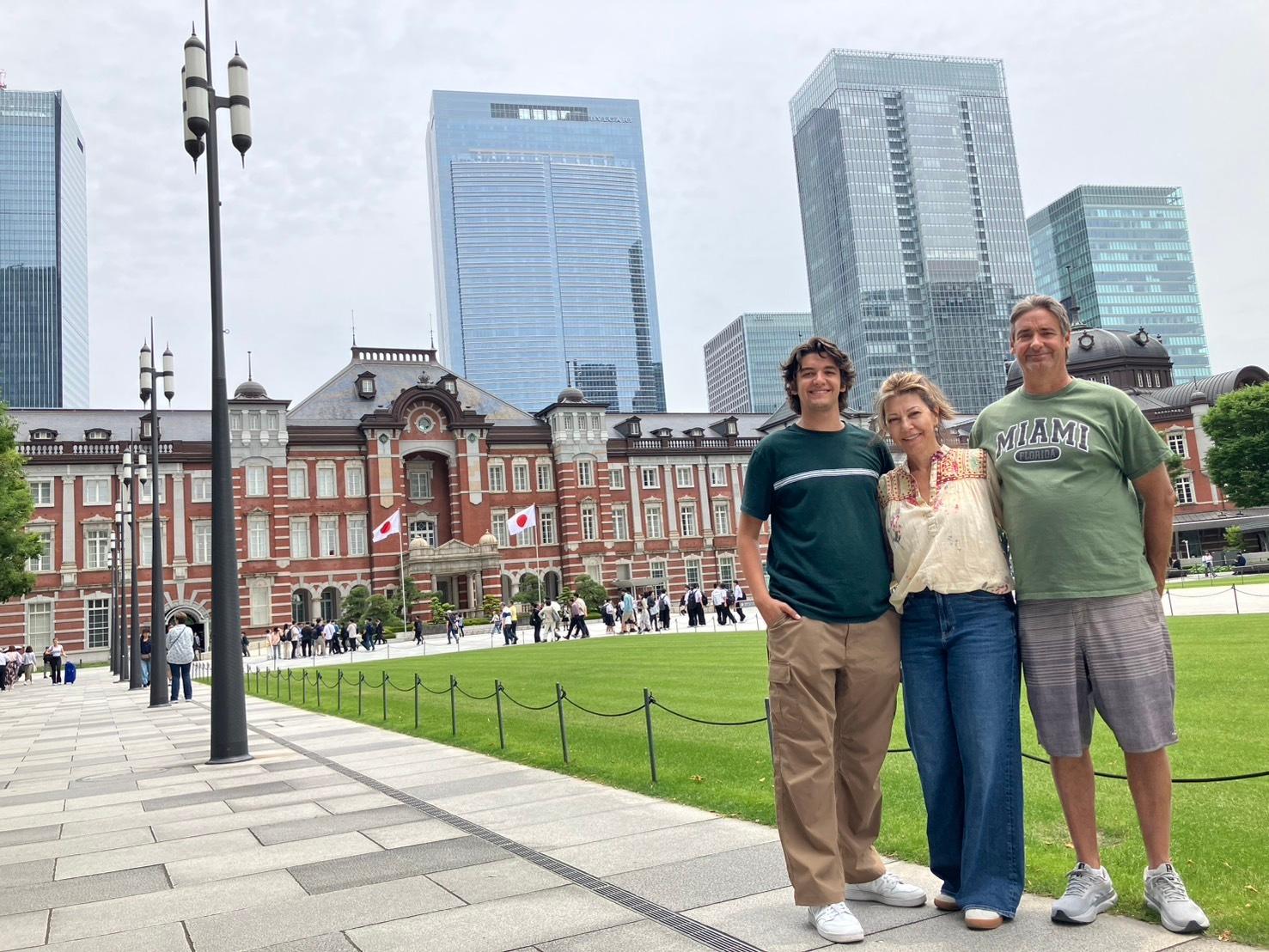
A historic railway station known for its red brick facade and intricate architecture.
High-end lodging with direct views of the palace moat.
Convenient boutique hotel located near the transport hub.
General area offering a variety of business hotels and lodging options.
Join thousands of happy travelers who have discovered this incredible experience
Book Your Experience Now